

In the previous issue, we explored the advantages and disadvantages of incorporating artificial intelligence in digital experiences. While AI is a newer element in the digital space, the next subject—video content—has been around for quite a while and has evolved considerably.
Video Remains King of Content
Video is a vital component of digital marketing strategies aimed at engaging consumers. According to Cisco’s Annual Internet Report, 82% of all internet traffic was video content as of 2023. In 2025, the significance of video in marketing will continue to grow alongside technological advancements and consumer behavior changes.
Evolving Interactive Experience
Online interactions are becoming more dynamic. Marketers are exploring new ways for consumers to engage with content, using tools like quizzes, gamification, augmented reality, and virtual reality. In the past, these experiences often featured only static images and text. Many higher education websites include virtual tours, but video has become a crucial part of these immersive experiences. For instance, Albertus Magnus College provides an interactive virtual tour of its campus on its site. Unlike other colleges that typically use static images for such tours, Albertus Magnus enhances its offering with full 360-degree video, boosting the realism of the virtual experience.
Our Thoughts
Incorporating more video elements into interactive experiences is an effective way to keep users engaged. Video enables marketers to convey emotions more powerfully in their storytelling, as they are no longer restricted to written text or images. This strategy reduces the amount of reading needed, which is especially beneficial for consumers who might otherwise have to click through multiple pop-ups to learn about a product, or students seeking a deeper understanding of a campus experience. The inclusion of movement and sound immerses users by engaging multiple senses, thus making complex topics easier for users to understand.

Going Live
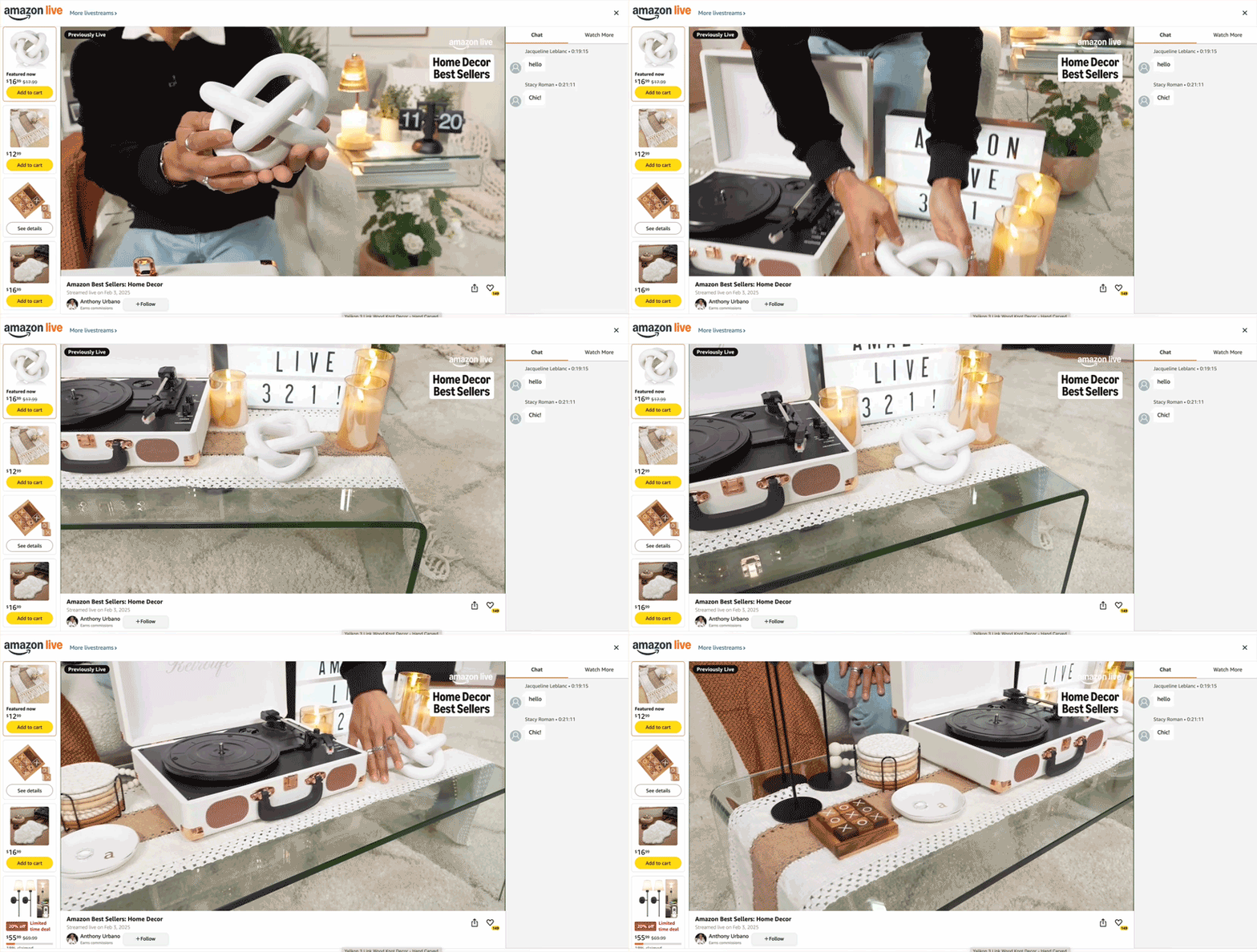
In the past, QVC and the Home Shopping Network featured continuous live broadcasts that exclusively sold products and services on television. Today, this concept of live marketing has expanded to mobile devices in various forms. Platforms like TikTok, Amazon, and Instagram now offer livestreaming for product promotions, similar to what QVC and HSN provided. Additionally, creators on platforms like Twitch engage with their followers through live videos, showcasing their daily activities while promoting products. As we move into 2025, the use of live video will continue to grow to meet the instant gratification that consumers expect. Users will anticipate the ability to purchase items directly from the live feed and expect instant responses from their favorite streamers when they ask questions.
Our Thoughts
Livestreaming is here to stay; in fact, many people are now making it their careers. With the rise of AI, the tendency to isolate due to COVID habits, and users constantly bombarded with advertisements on their screens, it’s essential to offer consumers a genuine human connection whenever possible. Watching a livestream, where the content occurs unedited in real-time, enhances that human connection users crave and helps them feel closer and more engaged with the brand.
The strategy behind what to livestream will be crucial for marketers. It’s important to strike a balance between presenting content that genuinely benefits from being live and avoiding content that feels gimmicky or forced, merely to check livestreaming off the list of marketing ideas.
Short-Form Video
With platforms like YouTube, TikTok, and Instagram gaining immense popularity among consumers, short-form video content is set to remain dominant as we move into 2025. As attention spans shorten and the tendency to scroll endlessly increases, it’s crucial for marketers to deliver impactful messages within brief time frames.
A notable example of effective short-form video content comes from Zheng Xiangxiang, a popular livestreamer. Xiangxiang broadcasts to her followers on Douyin, a video-sharing app similar to TikTok. She showcases numerous items for sale, each displayed for just three seconds. Remarkably, she generates over $18 million in sales within a week. While the exact factors contributing to this surge in sales are not fully understood, it is evident that her rapid presentation of items and the brief nature of her videos significantly enhanced user engagement and conversion rates.

Our Thoughts
It is no surprise that short-form video content will continue to thrive in 2025. For marketers using video-based apps and any online platform featuring video content, it is crucial to adhere to this trend by creating advertisements that are easily digestible for consumers. Engaging videos with quick cuts and tightly framed shots will help capture and maintain the attention of viewers amidst the overwhelming amount of content available.
Key Takeaways
Showcasing content through video is highly effective for consumers who absorb information quickly. Depending on your objectives, video content can play a crucial role in driving conversions in various areas. Whether you use livestreaming for longer-form content to engage with your audience or create impactful short-form marketing videos, incorporating video is likely to yield positive results.
Up Next
By understanding and embracing these media trends, marketers can thrive in the ever-changing digital landscape, creating meaningful and impactful connections with their audiences. Next, get ready for issue four, where we will explore the current landscape and future trends of website user experience and design.