
Technology, design, and consumer behavior have evolved significantly in 2024. This trend is expected to continue into 2025, prompting brands to reevaluate how they interact and communicate with consumers to keep pace with these changes.
Let’s explore the current trends in digital marketing, how they function, their impact on user experience, and where they are headed in 2025.
Personalized Experiences Are The Key To User Connection
Consumers face many advertisements across different devices and media channels daily. In 2025, marketers must adopt strategic techniques to stand out amid excessive advertising. AI, audience-focused tactics, and manual personalization will be crucial in the upcoming year. These strategies can help brands stand out by presenting material that resonates with consumers’ genuine interests.
AI Personalization
Artificial intelligence utilizes a user’s online activities, buying patterns, and interests to tailor their experience. These customizations appear in the form of targeted ads and website content that meet specific needs, like displaying clothing ads in search results that correspond with a user’s gender expression based on demographic data. Anticipating a user’s search preferences can expedite their purchasing process by understanding exactly what they’re shopping for.
Our Thoughts
As marketers use AI tools for content personalization, balancing convenience and privacy will be essential heading into 2025. When users understand how and why their data is used, this approach fosters success while remaining non-intrusive, ultimately enhancing user convenience.

Audience-based personalization
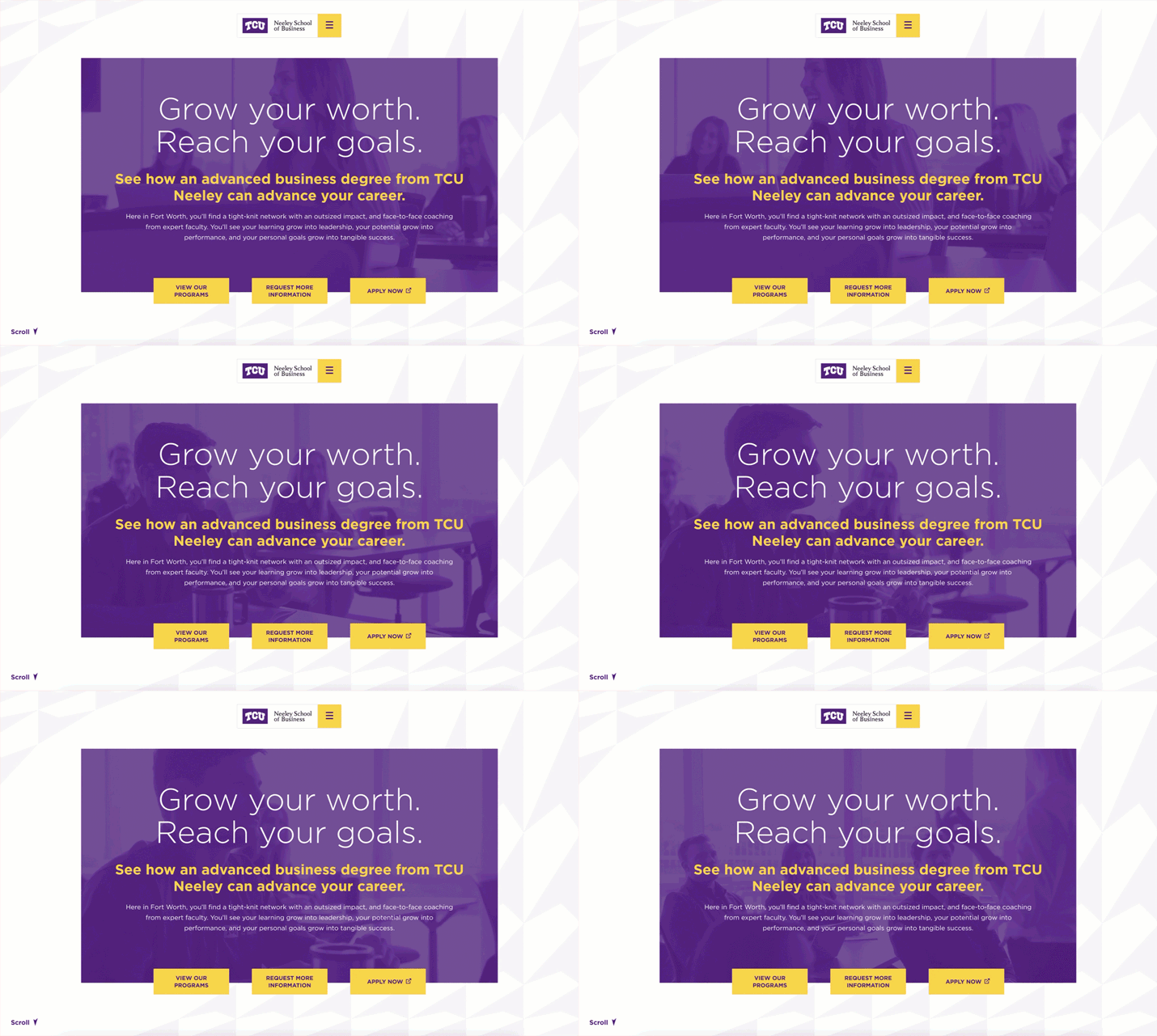
When marketers utilize online advertising, they can improve user experience by creating ads designed for particular audiences. This allows consumers to see advertisements that closely match their search history and interests related to the chosen target groups. Additionally, marketers can personalize the landing pages associated with these ads, modifying the headlines, body text, and visuals according to the audience for each landing page.
Our Thoughts
Marketers can effectively navigate users through the conversion funnel by utilizing audience-targeted advertisements and landing pages. By personalizing content to align with users’ interests, they develop a deeper connection with the brand, recognizing that it understands their preferences.
Manual Personalization
Marketers can use AI to personalize content and navigation for consumers during conversion. However, some interactions require a human touch for the user to convert. In 2025, users will seek greater authenticity from brands. For instance, in higher education, just mentioning a prospective student’s name in an acceptance letter might not be enough. Marketing teams can improve this personalization by incorporating specific details or emphasizing distinct features of the prospect’s application that demonstrate the candidate’s strengths.
Our Thoughts
Manual personalization has become increasingly crucial. Taking the extra steps to demonstrate to consumers that you genuinely care can significantly influence conversion rates. Although initially this approach may require more time and resources to implement personal touches, over time, users will link this human connection with your brand, providing a competitive edge.
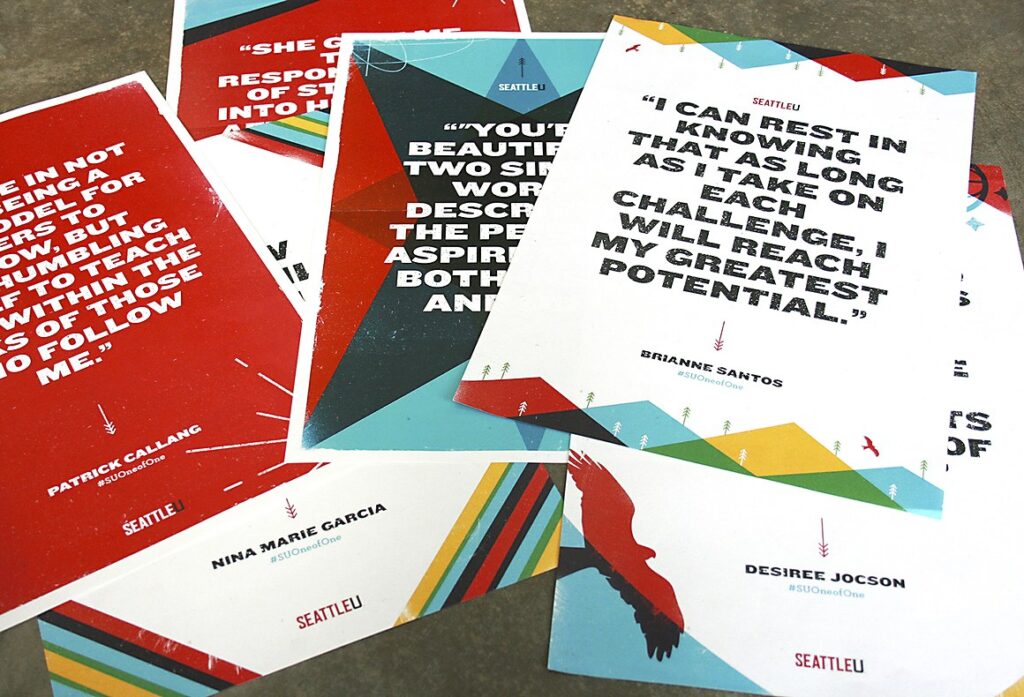
Seattle University stood out by offering newly accepted students personalized posters, each showcasing a portion of their application essays.
Key Takeaways
Online personalization will encompass a wide range of automation. While leveraging AI or audience segmentation can be helpful in guiding users through their wayfinding or conversion funnel journey, some aspects may need a more hands-on approach to establish trust with consumers who value genuine human connections.
Up Next
In our next issue, we’ll further explore the latest trends in digital media, focusing on Artificial Intelligence and how we anticipate these trends will evolve.